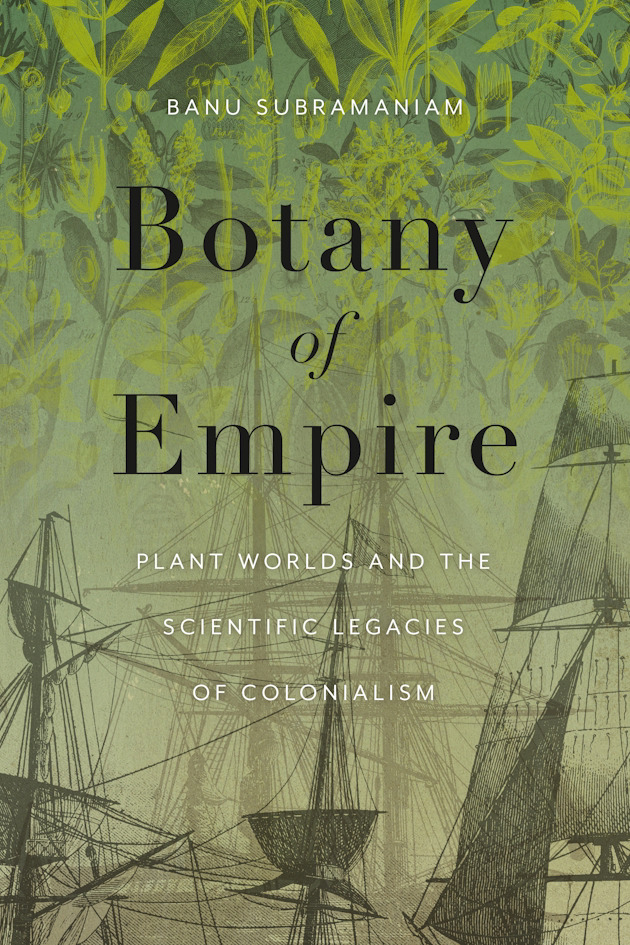
Botany of Empire: Plant Worlds and the Scientific Legacies of Colonialism.
Banu Subramaniam
Colonial ambitions spawned imperial attitudes, theories, and practices that remain entrenched within botany and across the life sciences.
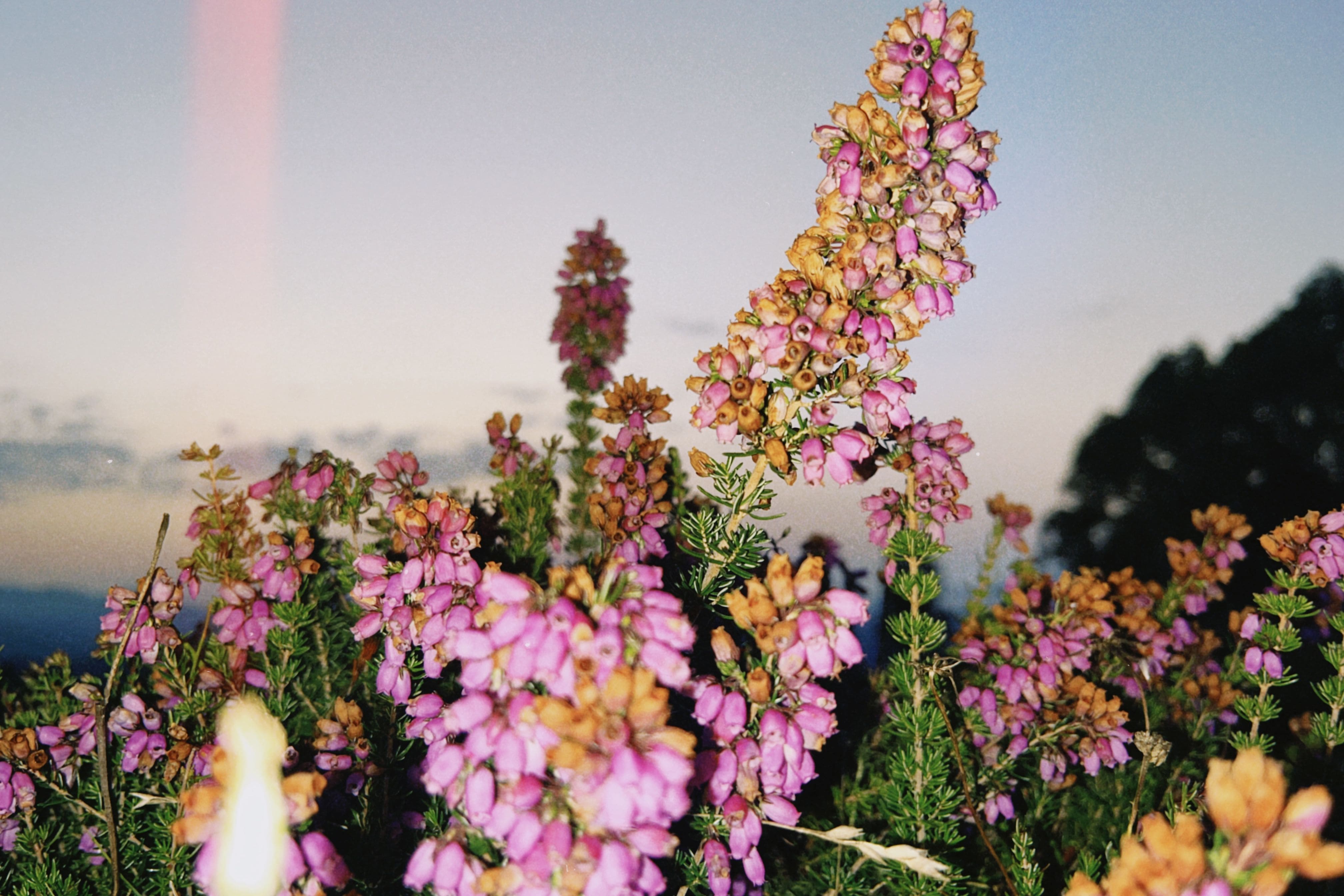
Herbario Vivo es una iniciativa que busca visibilizar las voces y memorias silenciadas del mundo vegetal, abriendo caminos hacia éticas de cuidado y coexistencia multiespecie.
Una selección de libros para pensar las relaciones entre plantas, sociedad, territorio y formas de vida. Ensayos, investigaciones y obras de divulgación que abren otras maneras de mirar el mundo vegetal.
Banu Subramaniam
Colonial ambitions spawned imperial attitudes, theories, and practices that remain entrenched within botany and across the life sciences.
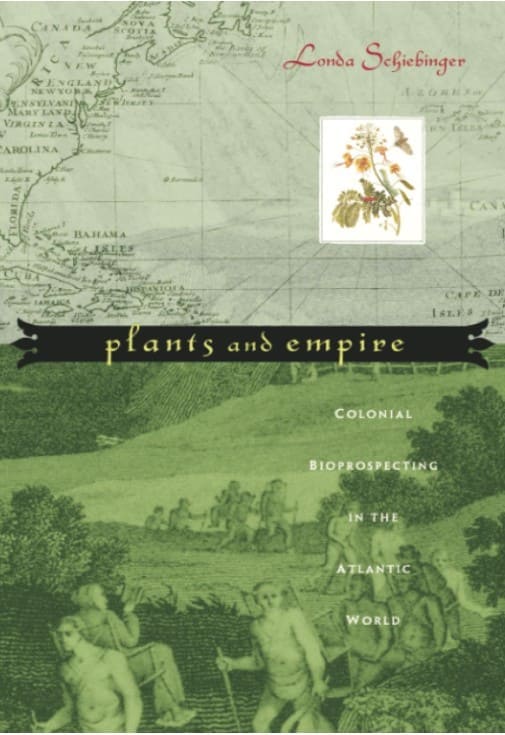
Londa Schiebinger
Plants seldom figure in the grand narratives of war, peace, or even everyday life yet they are often at the center of high intrigue. In the eighteenth century, epic scientific voyages were sponsored by European imperial powers to explore the natural riches of the New World, and uncover the botanical secrets of its people.
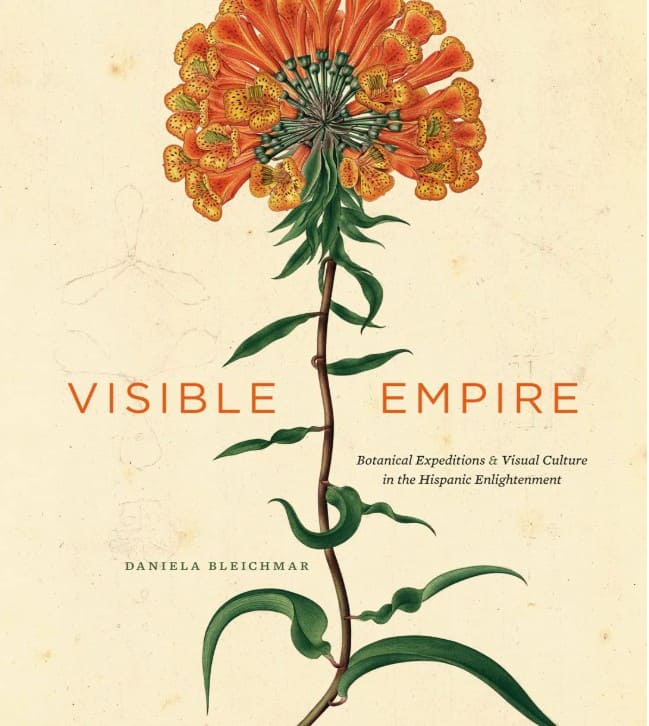
Daniela Bleichmar
A study of the Spanish Empire’s botanical expeditions during the Age of Enlightenment and the role that images played in the development of knowledge about plants.
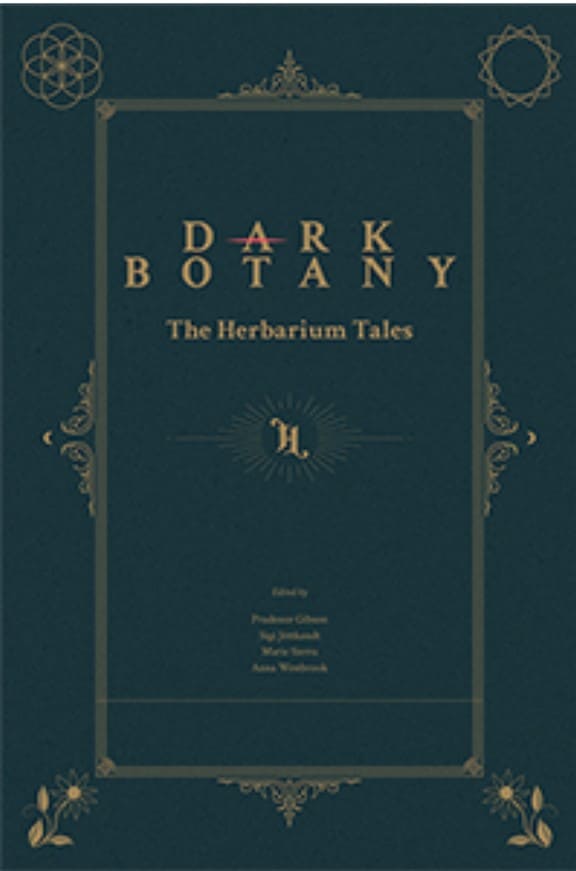
Prudence Gibson, Sigi Jöttkandt, Marie Sierra and Anna Westbrook.
In this Wunderkammer of critical plant studies essays and plant+artworks, the herbarium emerges as a site of multiple materialities and reflexive forms of counter-narrative.
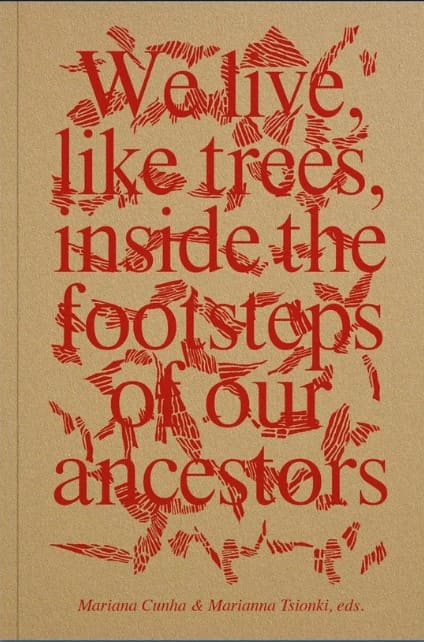
Mariana Cunha / Marianna Tsionki
Bringing together decolonial, ecocritical, and multispecies perspectives, the anthology traces how historical conditions, environmental struggles, and extractive economies shape the terrain of contemporary Latin American art.
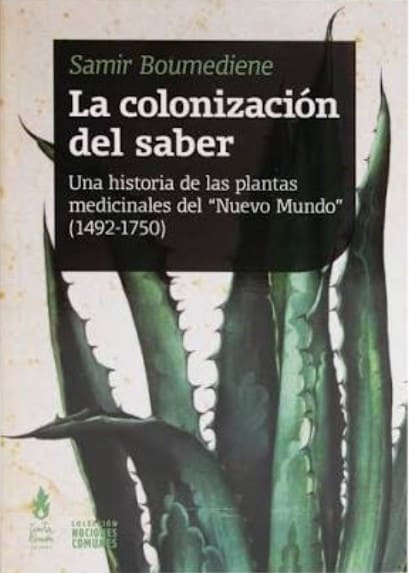
Samir Boumediene
Este libro narra la historia de la expansión europea como una colonización del saber.
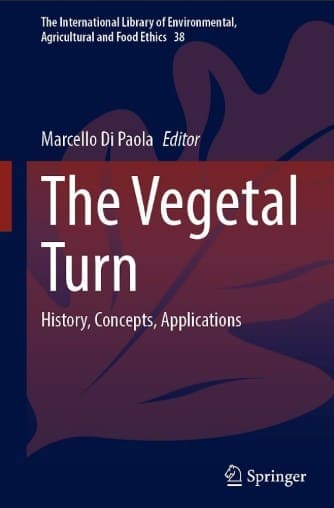
Marcello Di Paola
This book charts the multidimensional course of what has come to be known as the “Vegetal Turn” in environmental humanities - a wave of theoretical and practical interest in the complexities and peculiarities of plant life and plant-human relations.
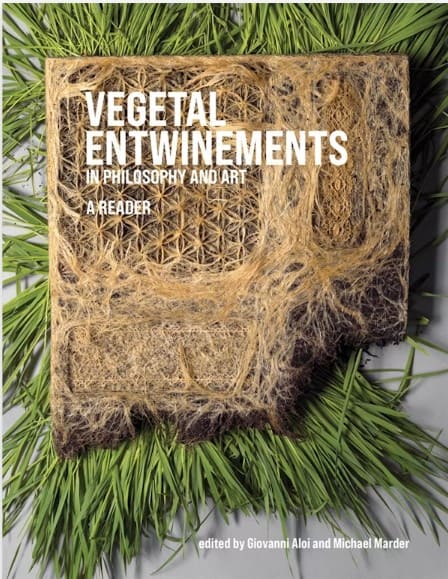
Michael Mardner / Giovanni Aloi
The first reader in critical plant studies, exploring a rapidly growing multidisciplinary field—the intersection of philosophy with plant science and the visual arts.
Michael Marder
The margins of philosophy are populated by non-human, non-animal living beings, including plants. While contemporary philosophers tend to refrain from raising ontological and ethical concerns with vegetal life, Michael Marder puts this life at the forefront of the current deconstruction of metaphysics.
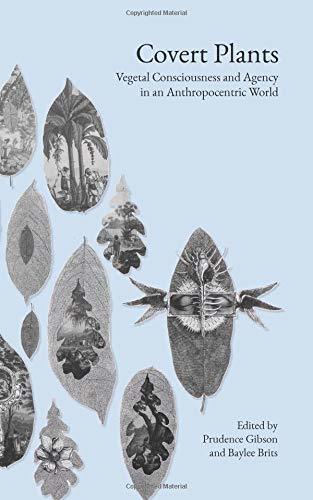
Prudence Gibson / Baylee Brits
Covert Plants contributes to newly emerging discourses on the implications of vegetal life for the arts and culture. This stretches to changes in our perception of ‘nature’ and to the adapting roles of botany, evolutionary ecology, and environmental aesthetics in the humanities
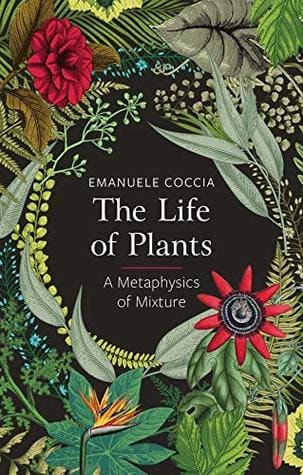
Emanuele Coccia
We barely talk about them and seldom know their names. Philosophy has always overlooked them; even biology considers them as mere decoration on the tree of life.
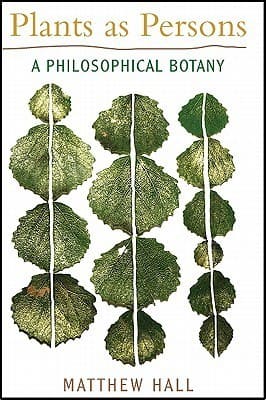
Matthew Hall
Plants are people too? Not exactly, but in this work of philosophical botany Matthew Hall challenges readers to reconsider the moral standing of plants, arguing that they are other-than-human persons.
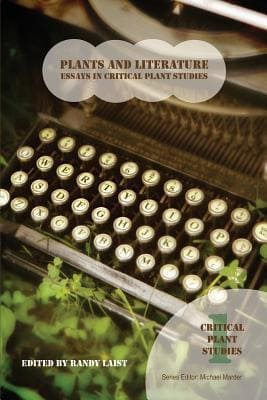
Randy Laist
Myth, art, literature, film, and other discourses are replete with depictions of evil plants, salvific plants, and human-plant hybrids.
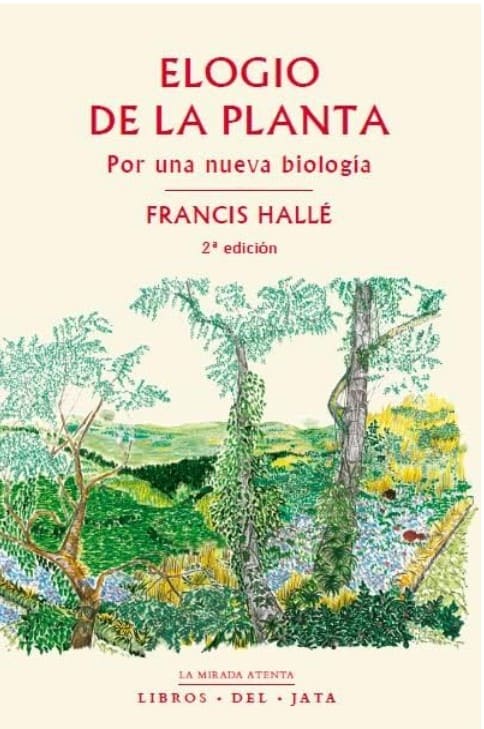
Francis Hallé
Este libro presenta una comparación detallada entre planta y animal, un recorrido ameno y asequible por todo aquello que caracteriza a los vegetales y a la vez los hace tan extraños para nosotros.
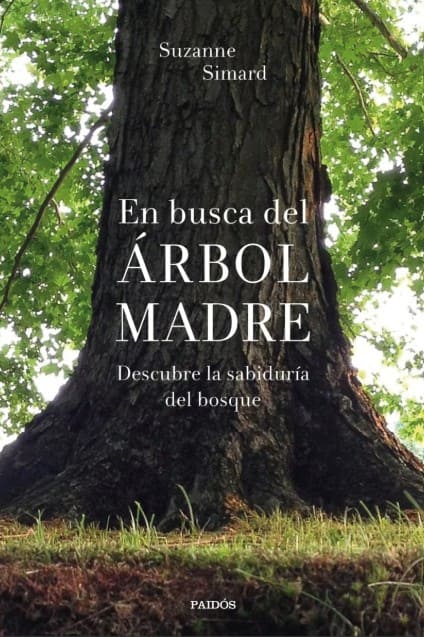
Suzanne Simard
En el bosque, los árboles se comportan como criaturas sociales y cooperativas conectadas a través de redes subterráneas a través de las cuales se comunican su vitalidad y sus vulnerabilidades, y tienen vidas comunitarias no muy diferentes de las nuestras.
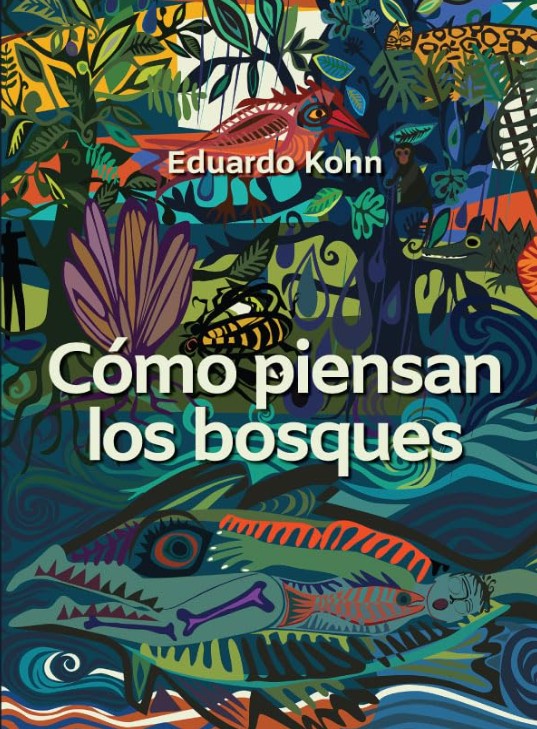
Eduardo Kohn
Basándose en cuatro años de trabajo de campo entre los runa del Alto Amazonas ecuatoriano, Eduardo Kohn recurre a su rica etnografía para explorar cómo los habitantes del Amazonas interactúan con las numerosas criaturas que habitan uno de los ecosistemas más complejos del mundo.
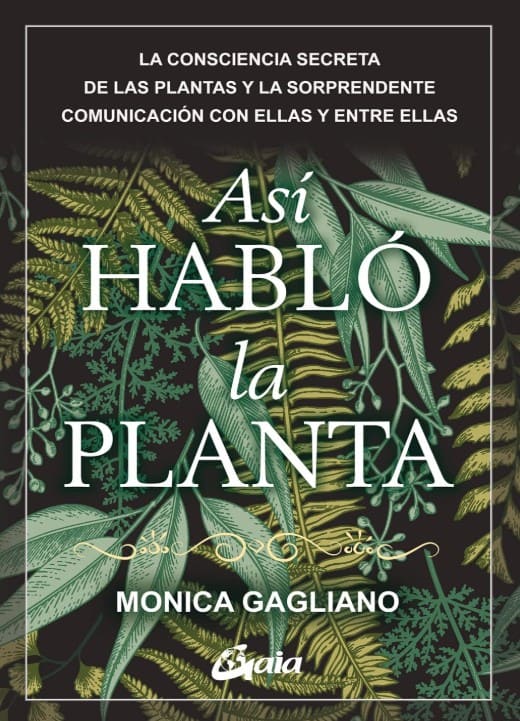
Mónica Gagliano
En esta recopilación de historias escritas conjuntamente entre la autora e individuos del mundo vegetal, Monica Gagliano revela el papel dinámico que las plantas desempeñan en el mundo y nos anima a imaginarlas como seres con subjetividad, consciencia y volición, capaces de transmitir sus propias voces y perspectivas.
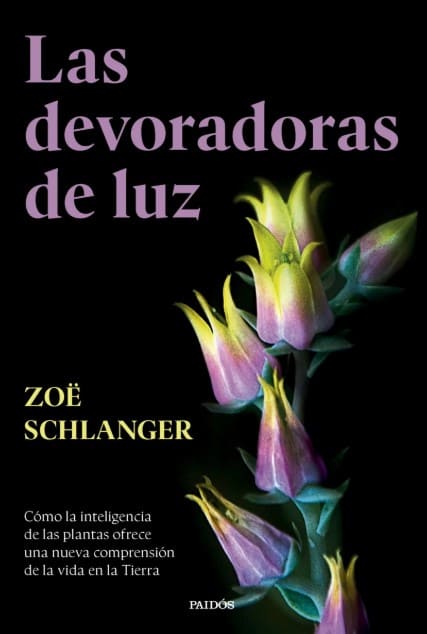
Zoë Schlanger
Una innovadora obra de divulgación científica que explora el mundo oculto del reino vegetal y revela las sorprendentes capacidades de la vida verde que nos rodea.

Tristan Gooley
Los árboles están deseando decirnos muchas cosas. Si los escuchamos, nos hablarán de la tierra, del agua, de las personas, de los animales, del clima y del paso del tiempo. Y nos hablarán también de sus vidas, de lo bueno y de lo malo. Los árboles cuentan una historia, pero solo a quienes saben leerla.
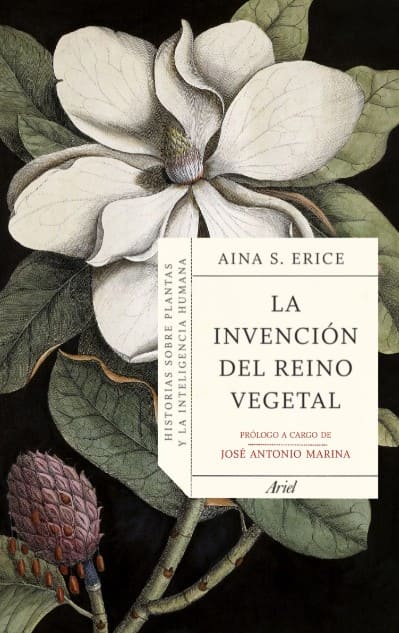
Aina S. Erice
Una historia cultural de las plantas desde el cultivo y la domesticación hasta la estética, la sexualidad y lo sagrado.
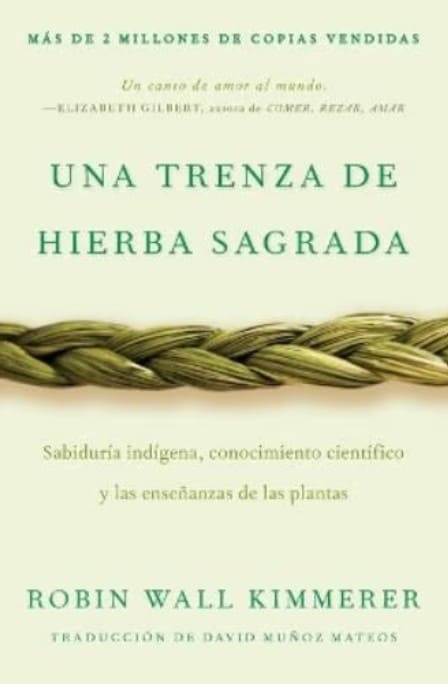
Robin Wall Kimmerer
Basándose en su vida como científica, indígena, madre y mujer, nos muestra cómo otros seres vivos nos ofrecen regalos e importantes lecciones, incluso aunque hayamos olvidado cómo escuchar sus voces.
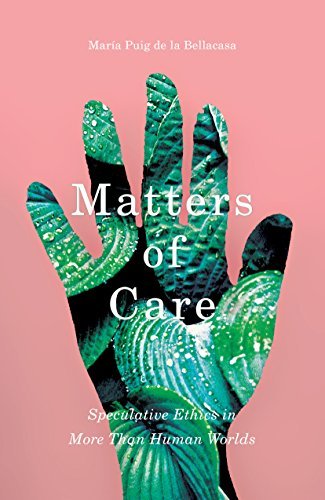
María Puig de la Bellacasa
To care can feel good, or it can feel bad. It can do good, it can oppress. But what is care? A moral obligation? A burden? A joy? Is it only human?
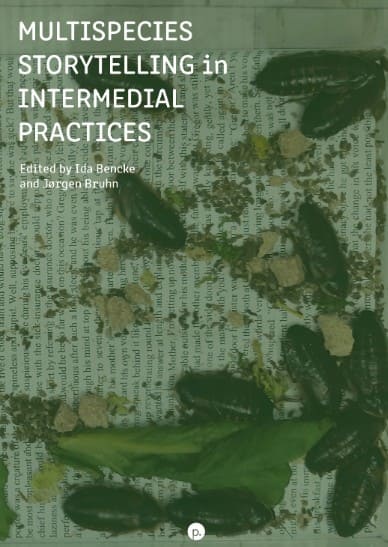
Ida Bencke / Jørgen Bruhn.
A speculative endeavor asking how we may represent, relay, and read worlds differently by seeing other species as protagonists in their own rights.
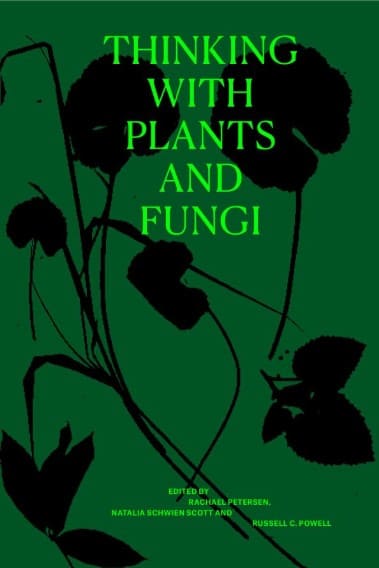
Rachael Petersen / Natalia Schwien Scott
Brings together leading voices from science, the humanities, and the arts to explore how vegetal and fungal life challenge dominant models of consciousness, community, and ecological care.
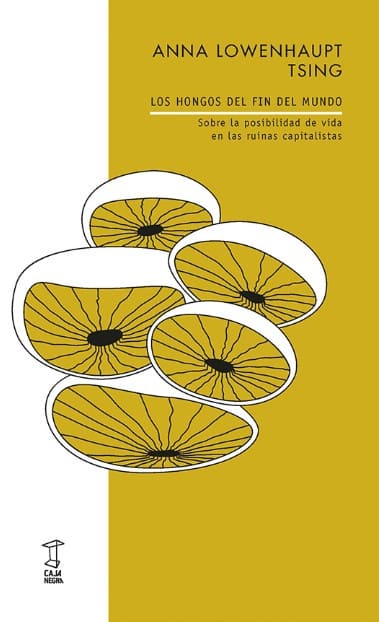
Anna Tsing
A través del estudio de uno de los hongos más codiciados del mundo, el libro ofrece un análisis original de la relación entre la destrucción capitalista y la supervivencia colaborativa en los paisajes multiespecíficos, condición indispensable para la continuidad de la vida en la Tierra.
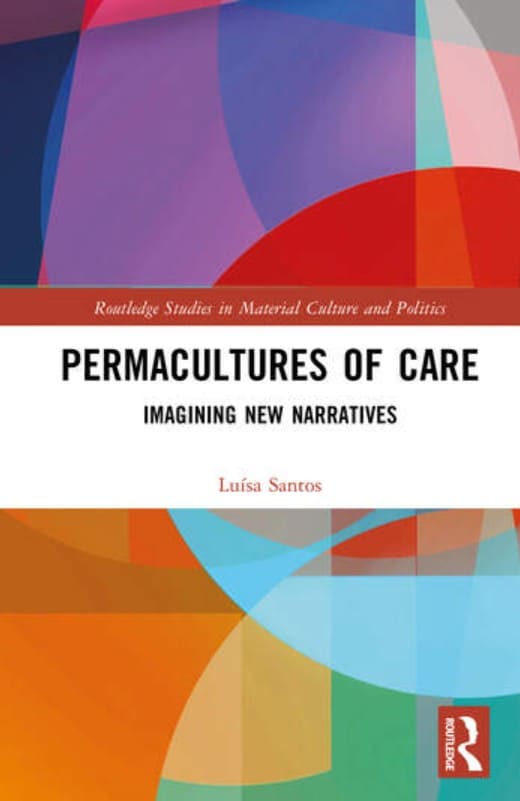
Luísa Santos
This book reimagines what art institutions might become through the lens of three permaculture design principles—observe and interact, obtain a yield, and use and value diversity.
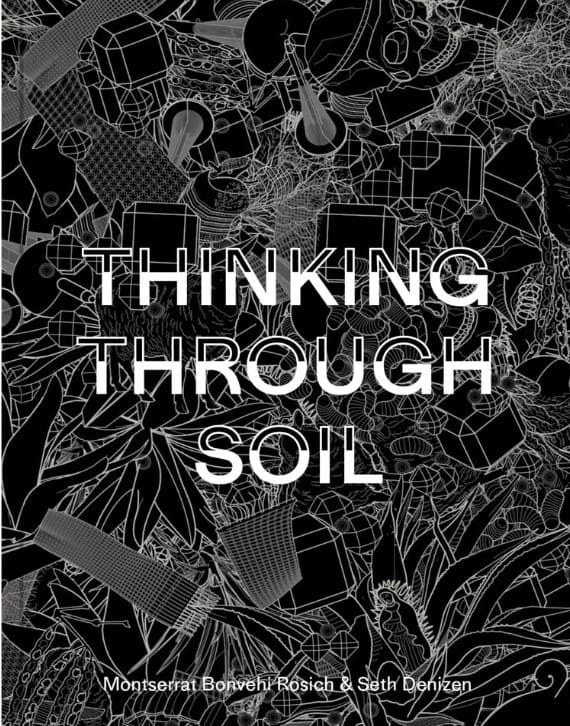
Montserrat Bonvehí Rosich y Seth Denizen
In addition to its agricultural role in feeding eight billion people, soil has become the primary agent of carbon storage in global climate models, and it is crucial for biodiversity, flood control, and freshwater resources. Perhaps no other material is asked to do so much for the human environment, and yet our basic conceptual model of what soil is and how it works remains surprisingly vague.
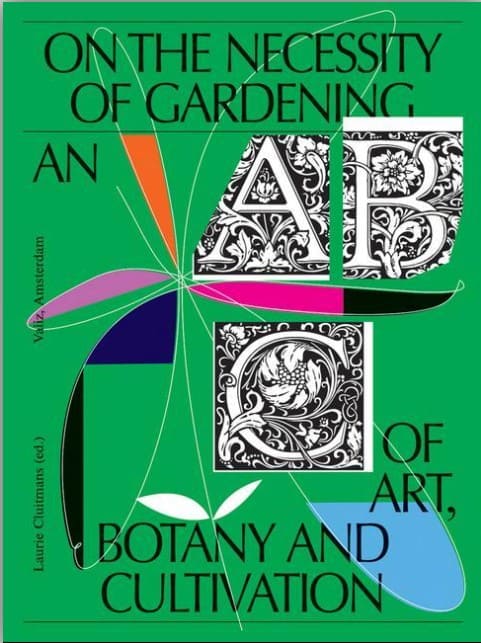
Valiz Amsterdam
For centuries, the garden has been regarded as a mirror of society, a microcosm, in which the broader relationships between nature and culture are played out on small scale. From this long cultural tradition also raises a call for a new awareness of our relationship with the Earth.

Dusan Kazic
Para las ciencias humanas, los mundos campesinos son algo remoto. A pesar de que cada día se vuelve más y más evidente que la vida en la Tierra depende, precisamente, de lo que suceda “en la tierra”, se sigue situando esos mundos en el pasado y en un afuera del pensamiento, una terra incognita. Paradójicamente, la vida campesina es “pensada” por cientistas que no trabajan los suelos, pues, según parece, esa vida no puede “pensarse a sí misma”, desde las prácticas conjuntas y las voces humanas y vegetales que habitan los campos.
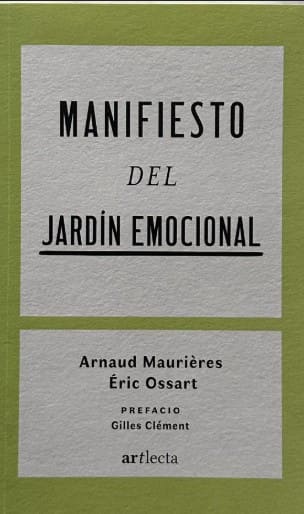
Arnaud Maurières / Éric Ossart
Explora las posibilidades de relación entre la naturaleza y el paisaje como proyecto de intervención humana sobre lo ya dado. Los autores abordan tópicos como el papel del arte en los jardines, la presencia y el trabajo del jardinero en sus paisajes y la relación entre relatos que exploran el paisaje natural y nuestro contexto más contemporáneo de acción.
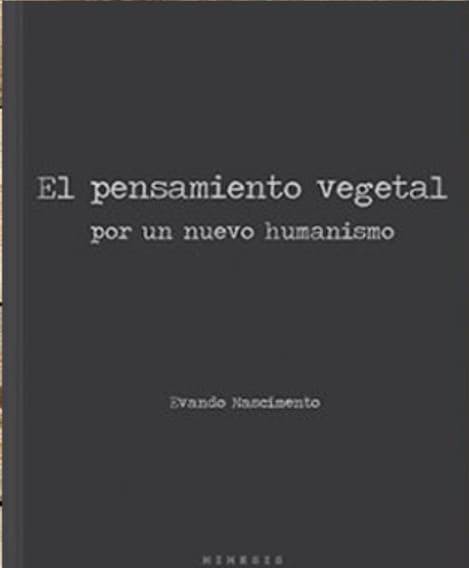
Evando Nascimento
Sin duda se convertirá en una referencia ineludible para comprender no solo la relación entre la ficción y lo vegetal, sino también el modo en que las nociones de humanidad y humanidades deben transformarse.
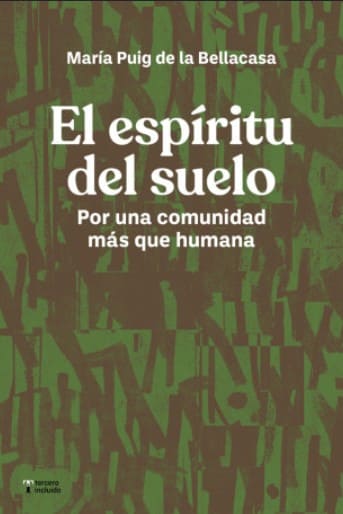
María Puig de la Bellacasa
¿Cómo podemos replantearnos la relación entre los seres humanos y el suelo, en formas abiertas a futuros ecológicos insurgentes, esperanzadores y decoloniales? ¿Cómo pueden contribuir las relaciones entre los seres humanos y el suelo a detener la herencia de explotación de la Tierra?
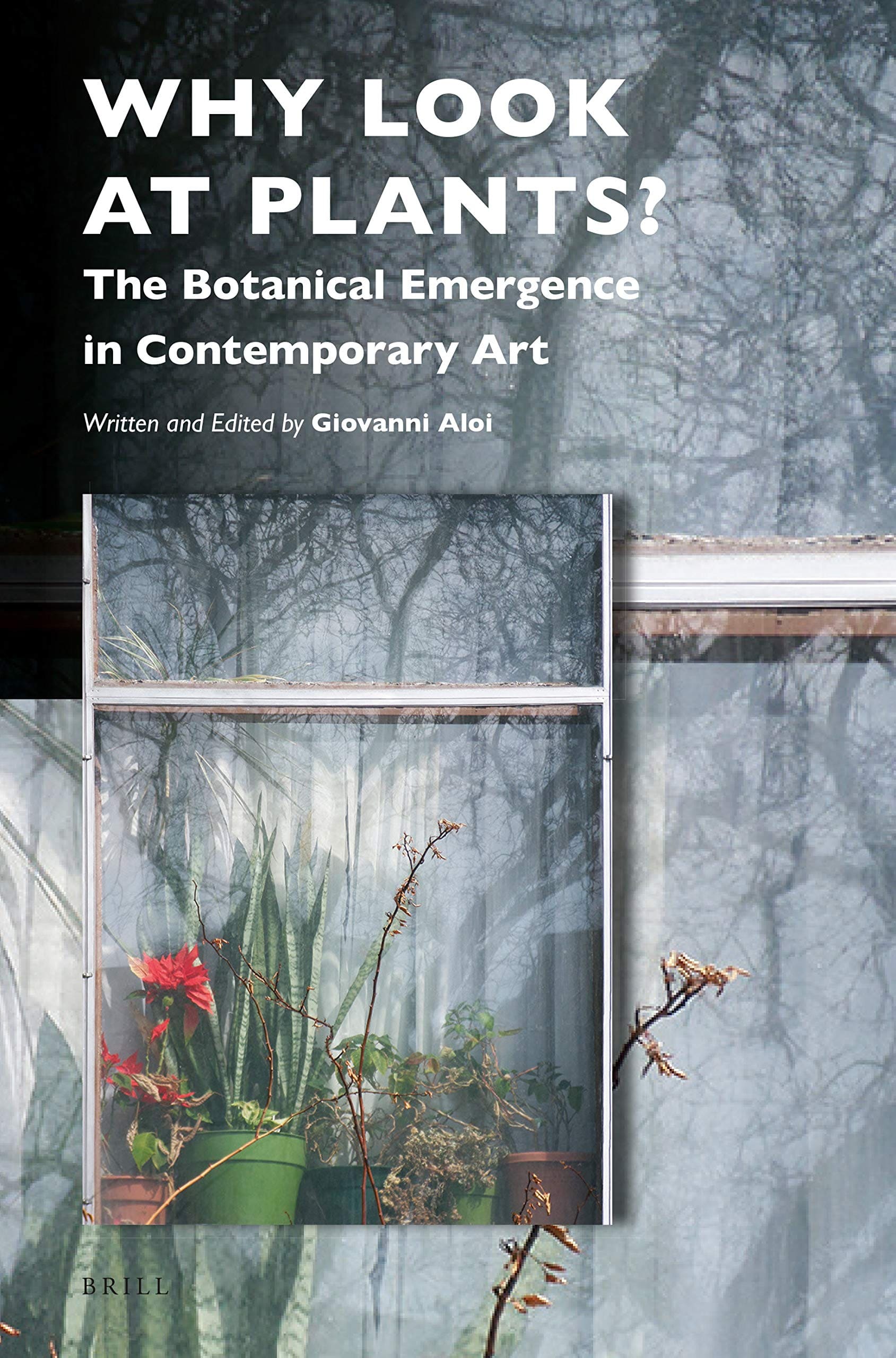
Giovanni Aloi
A thought-provoking and fascinating look into the emerging cultural politics of plant-presence in contemporary art.
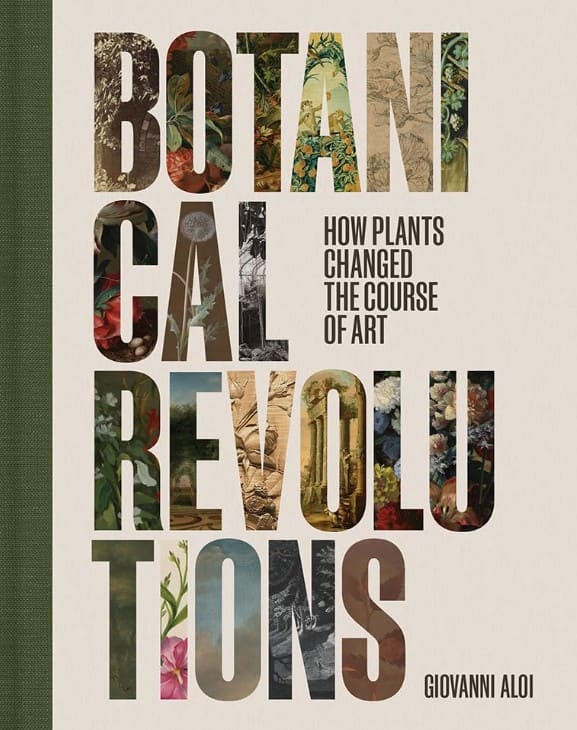
Giovanni Aloi
This groundbreaking volume unearths the representation of plants and their vital impact on art, thereby advocating for the botanical world’s legitimate place in art history.
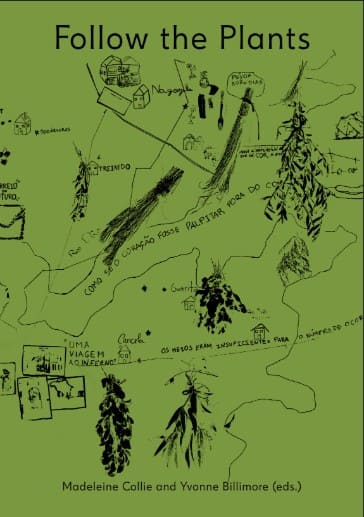
Madeleine Collie / Yvonne Billimore
An expanded invitation to follow plants through histories, growing seasons, metabolic cycles, literature, art, bodies, archives, and collective ritual. Bringing together artworks, dialogues, roundtables, essays, and scores, the publication offers both examples of and prompts for collective research, tracing the multiple worlds through which plants circulate and generate meaning.
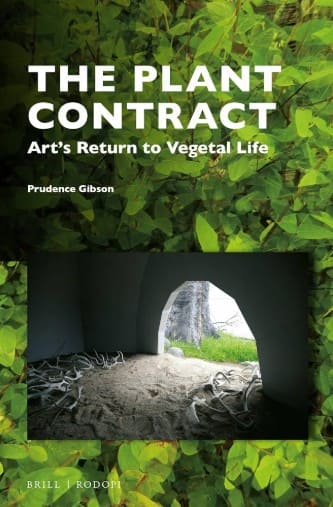
Prudence Gibson
The Plant Contract: Art’s Return to Vegetal Life. The Plant Contract argues that visual and performance art can help change our perception of the vegetal world, and can return us to nature and thought.
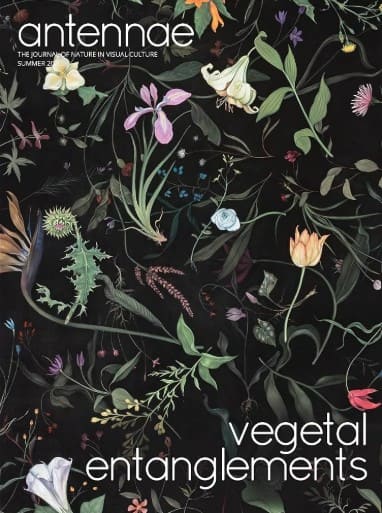
Antennae
Three installments entirely dedicated to plants in art and culture. The first focuses on different modalities of representation, the second on plant-encounters, and the third on networks.
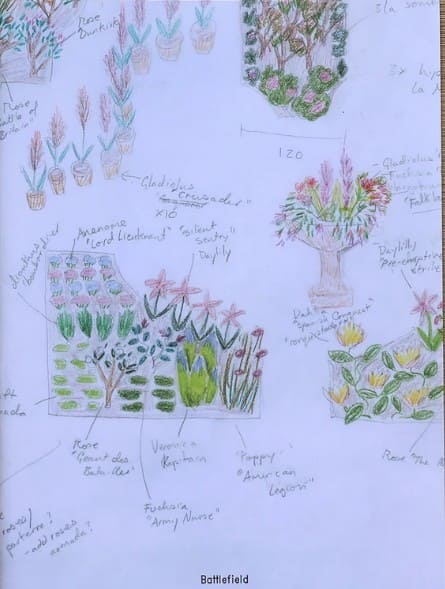
Gabriela Hirst
This publication is the companion piece of Battlefield, an artwork by Gabriella Hirst—a garden of plants whose officially registered names reference theaters of war, armed conflict, and the military.
Anna-Sophie Springer / Etienne Turpin
A space for the reader-as-exhibition-viewer to consider how forests may be seen not only for their trees, but also how they can enable experiences of elegance, affirmation, and creation for a multitude of creatures
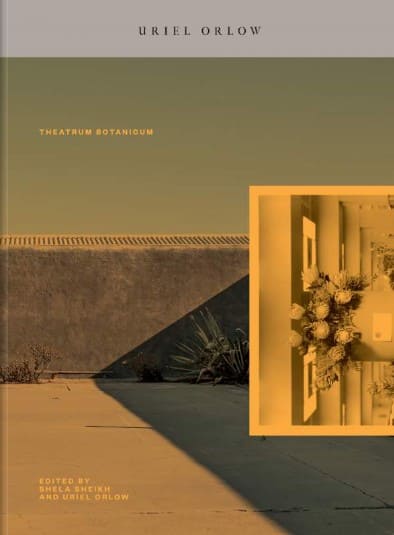
Uriel Orlow
Working from the dual vantage points of South Africa and Europe, the project considers plants as both witnesses and actors in history, and as dynamic agents – linking nature and humans, rural and cosmopolitan medicine, tradition and modernity – across different geographies, histories and systems of knowledge, with a variety of curative, spiritual and economic powers
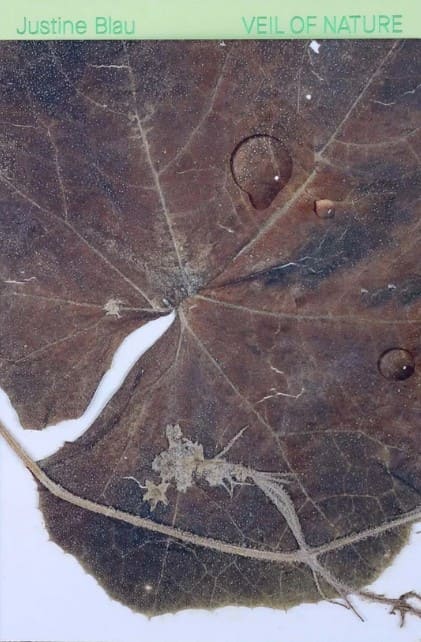
Justine Blau
Through her encounters with researchers and scientists in herbaria and seed banks, as well as her travels to the Galapagos, she uncovered a matrix of contradictions that radically challenge the modern scientific conservation complex.
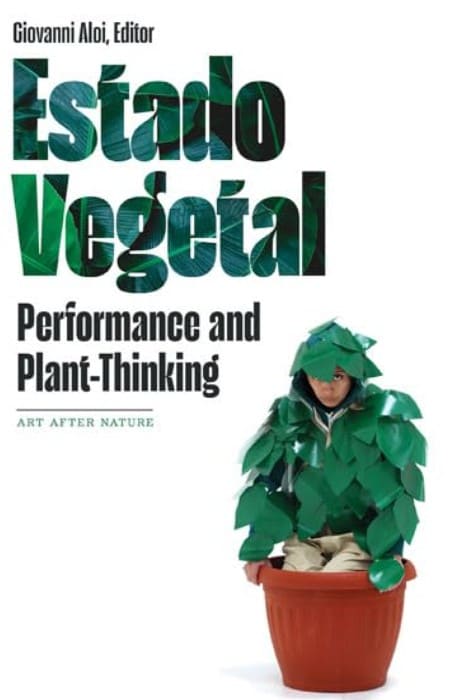
Giovanni Aloi
Interdisciplinary essays on Manuela Infante’s award-winning play explore the relationship between critical plant studies and performance art in the Anthropocene
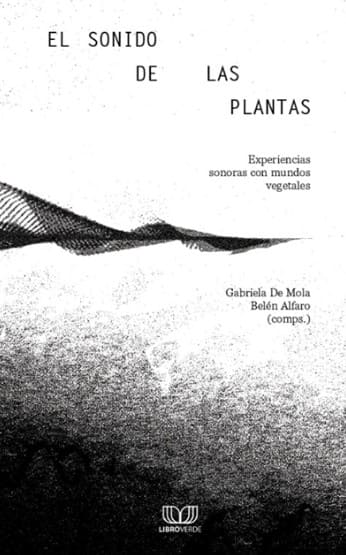
Gabriela de Mola / Belén Alfaro.
El sonido de las plantas es un acercamiento al fascinante universo de la experimentación sonora con plantas. Por más novedoso que pueda parecer, los antecedentes son muchos y de lo más diversos.
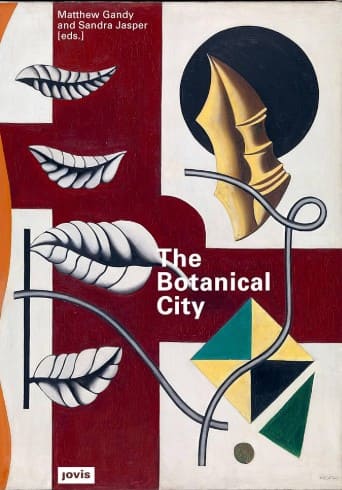
This unique collection of essays explores the botanical dimensions of urban space, ranging from scientific efforts to understand the distinctive dynamics of urban flora to the way spontaneous vegetation has inspired artists and writers.
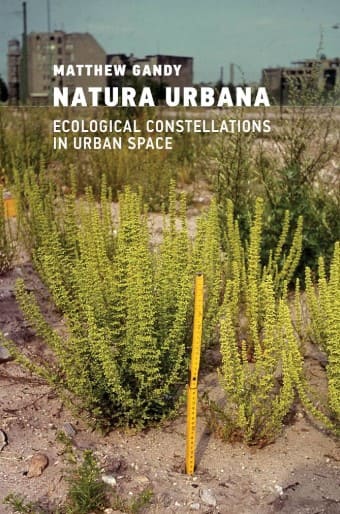
Matthew Gandy
A study of urban nature that draws together different strands of urban ecology as well as insights derived from feminist, posthuman, and postcolonial thought.
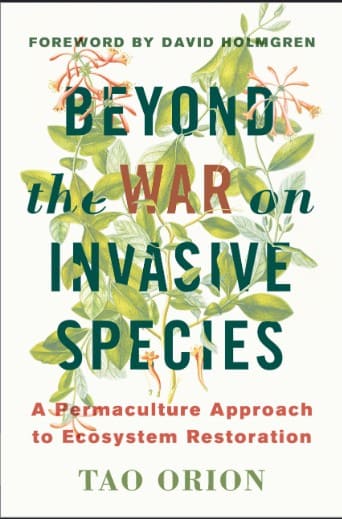
Tao Orion
The book offers a much-needed alternative perspective on invasive species and the best practices for their management based on a holistic, permaculture-inspired framework.
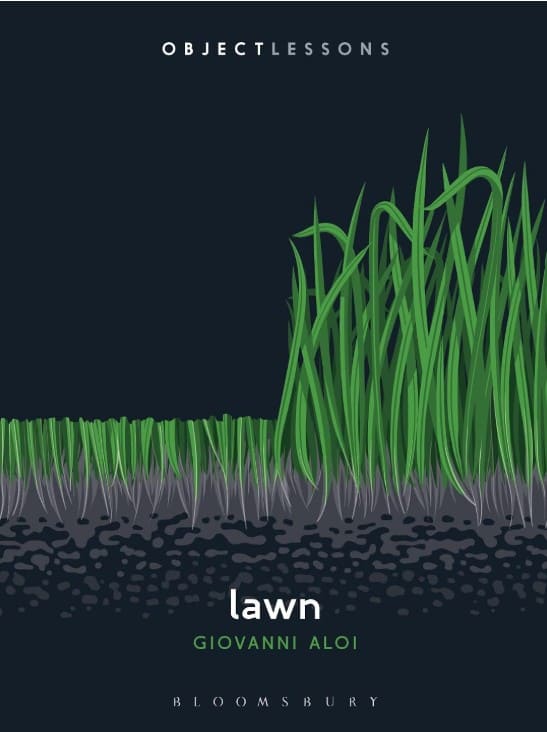
Giovanni Aloi
A quintessential feature in Western gardens and landscaping, the lawn is now at the center of a climate change controversy.
Lucile H. Brockway
The book explores the political and economic effects of 19th-century British economic botany.
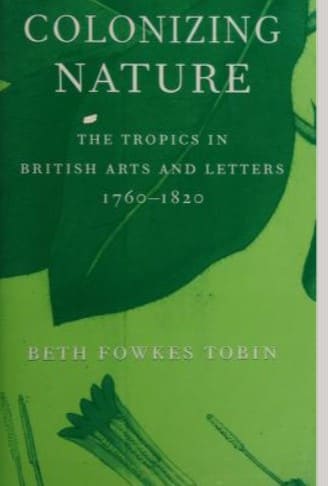
Beth Fowkes Tobin
How British arts and letters justified imperial management of tropical ecosystems.
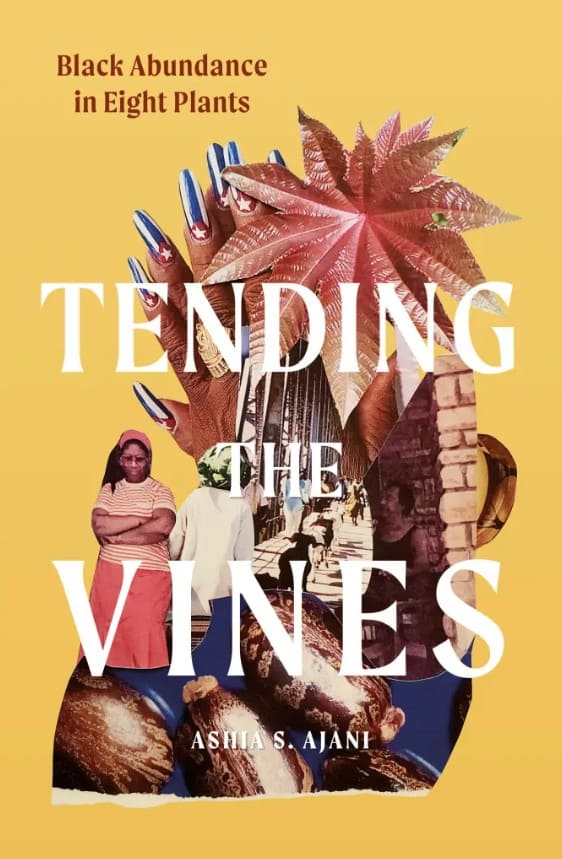
Ashia S. Ajani
Creative nonfiction using “invasive” plants as metaphors for the Black experience.

Yen-Ting Kuan
Uncovers the colonial extraction and wartime survival hidden behind trendy Asian food.
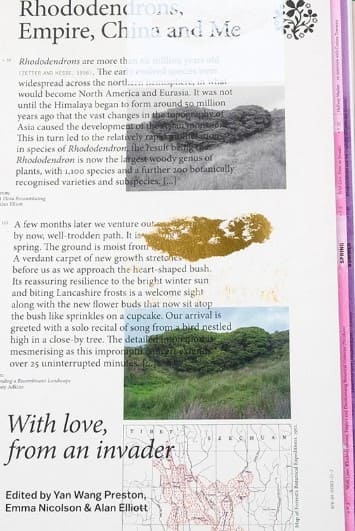
Yan Wang Preston
An year-long photographic study of a single Rhododendron ponticum shrub and its ecology.